
Temp Mail Lab Journal
Blog
Practical guidance on disposable email, privacy, and staying safe online.

How to Spot Deepfakes and Cloned Voices
How deepfakes and cloned voices are created, what detectors and watermarks can prove, and why reliable verification needs several independent checks.

How Browser Fingerprinting Tracks You Without Cookies
How browser fingerprinting combines Canvas, WebGL, fonts, device settings, and network signals to recognize visits without relying on cookies.

Can Browser Extensions Read Your AI Chats
How browser extension permissions can expose AI chat content, how to read privacy policies, and what to check before you trust a tool.

Browser Extension Updates and Changing Permissions
Why an app or extension that seemed safe at installation deserves a new review after updates change its permissions, features, or data practices.

Can a Google Drive or Dropbox Link Be a Phishing Scam
A real Google Drive, OneDrive, or Dropbox link can still contain a phishing page. Learn how to verify the sender, file, and final destination.

Why Ad Blockers Need Access to Every Website
Why ad blockers request access to every website, how local filtering differs from data collection, and what to check before you install one.

Security Tool Permissions and How Much Access Is Too Much
A practical way to judge whether a security tool's permissions fit the feature you need, its data practices, and the sensitivity of your information.
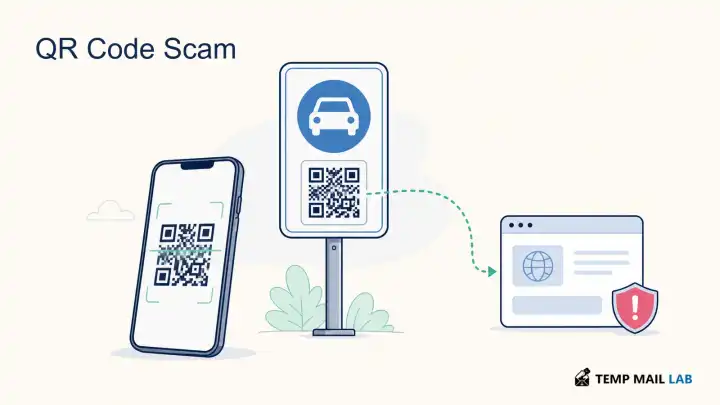
QR Code Scams and What to Do After You Scan One
A QR code is not automatically dangerous, but its hidden link can lead to fake logins, payment scams, or unwanted downloads. Learn what to check and do next.
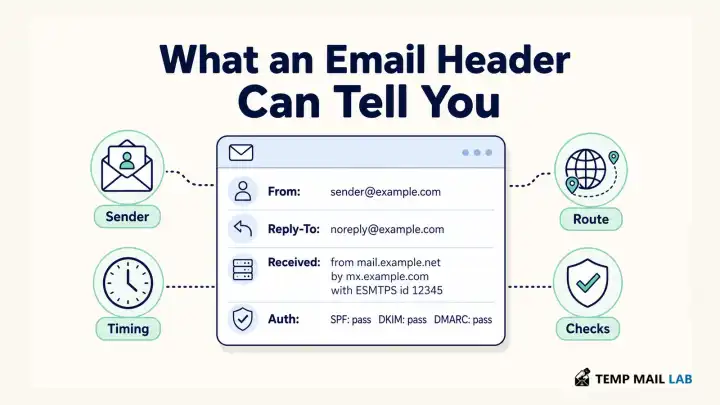
How to Read Email Headers and What They Reveal
Learn what an email header reveals about a message, including sender details, delivery routes, and authentication results.
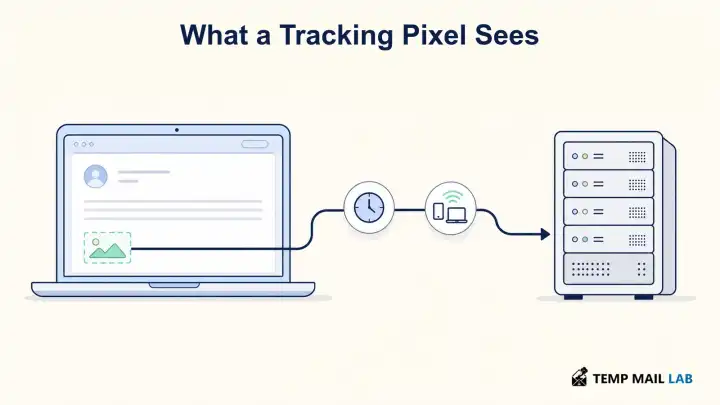
Email Tracking Pixels and What They Can See About You
Email tracking pixels can log remote-image requests and limited technical signals. Learn what they may reveal, what they cannot prove, and how to limit tracking.
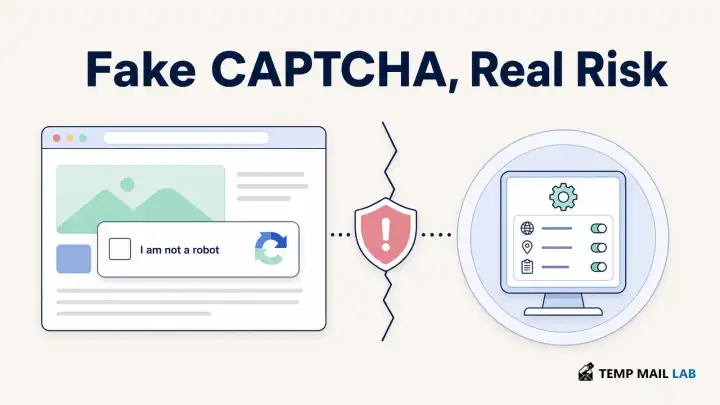
Fake CAPTCHA Scams ClickFix and Malware
Learn how fake CAPTCHA pages use ClickFix tactics to make you run malicious commands, what infostealers can steal, and what to do after execution.
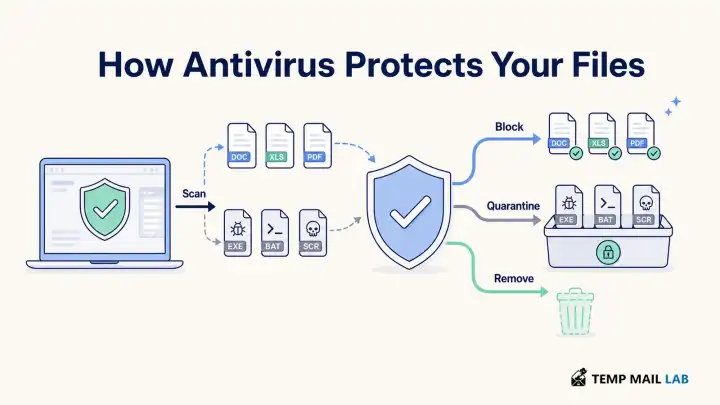
How Antivirus Software Works and Its Limits
Learn how antivirus software detects, blocks, isolates, and removes malicious files, plus the limits of malware protection and the steps that reduce risk.
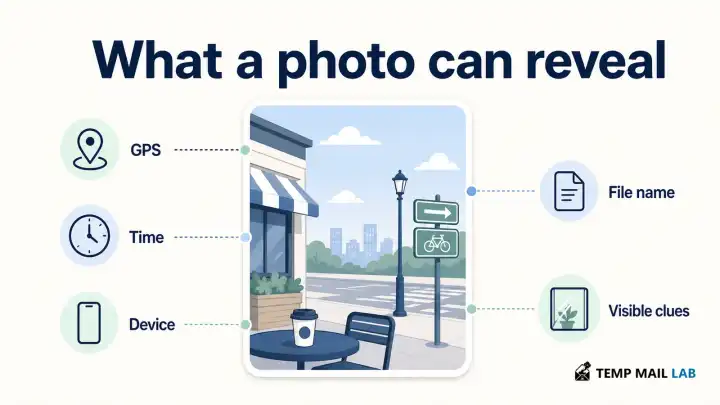
Photo Metadata and Privacy Risks
Photos can reveal GPS data, capture time, device details, file names, and clues in the background. Learn what to check before sharing.
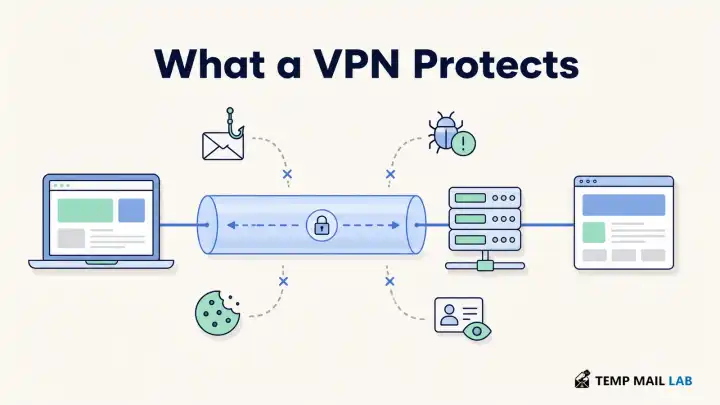
What a VPN Protects You From and What It Does Not
A practical guide to what a VPN hides, which threats it cannot stop, how it differs from HTTPS, and when using one makes sense.

How Bug Bounties and Vulnerability Research Work
How security researchers find and report vulnerabilities safely, how CVE and CVSS differ, and how bug bounty programs evaluate impact and rewards.

API Security Authentication API Keys and Tokens
A practical guide to API authentication, authorization, keys, access tokens, replay protection, secret storage, and secure server connections.

Password Hashing and Salting for Secure Storage
How unique salts, password hashing, Argon2id, peppers, and careful verification make stolen password databases harder to attack.

Two Factor Authentication 2FA and Account Protection
Learn how 2FA verifies identity, how SMS codes, authenticator apps, passkeys, and security keys differ, and how recovery affects account security.
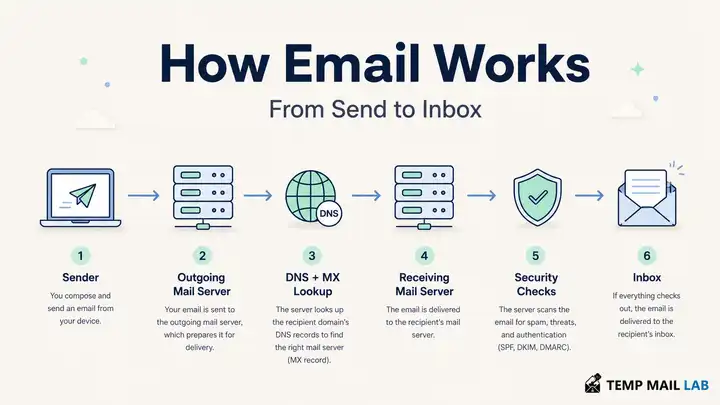
How Email Works From Sending to Your Inbox
Follow an email from the moment you press Send through SMTP, DNS, MX records, security checks, mailbox storage, IMAP, and POP3.

How Tor Works with Relays Onion Services and Privacy Limits
How Tor routes traffic through relays, how onion services and bridges work, what websites can see, and which mistakes can reduce privacy.

What the HTTPS Lock Icon Means and What It Does Not
What the browser lock icon confirms, how HTTPS and TLS certificates protect a connection, and why the icon does not prove a website is trustworthy.

How Websites See Your IP Address and What It Reveals
A clear explanation of why websites can see a public IP address, how IP-checking services display it, and what the address can and cannot reveal.

How DNS Works for Domain Names and Records
How domain names, DNS lookups, common records, registrars, name servers, caching, DNSSEC, and encrypted DNS fit together.
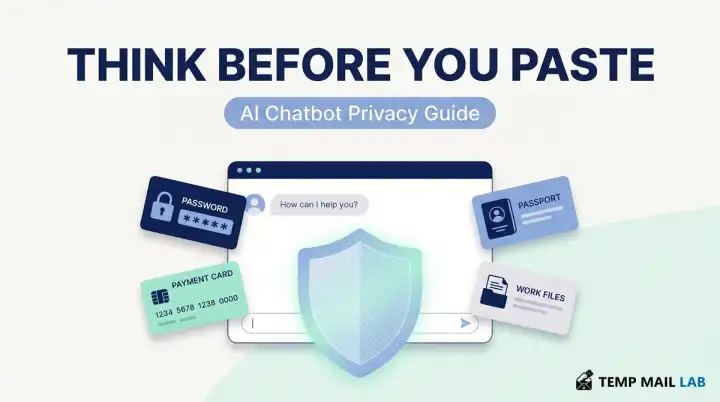
What You Should Never Share With an AI Chatbot
A simple privacy guide explaining what data you should avoid sharing with AI chatbots and how to use AI tools more safely.
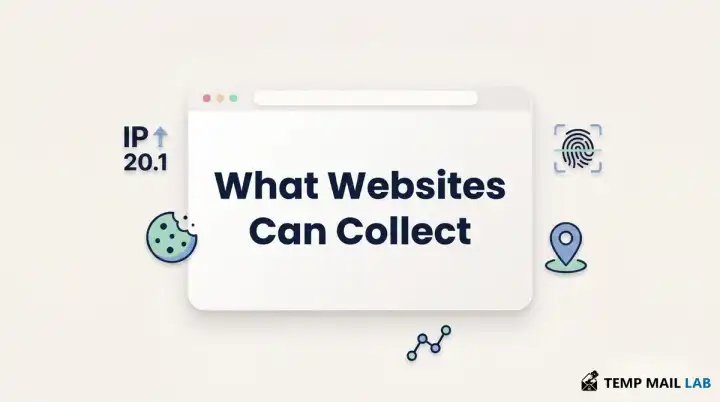
What Websites Can Learn About You When You Visit
An educational guide to the technical information a website may receive, what cookies and browser fingerprinting mean, and practical privacy choices.
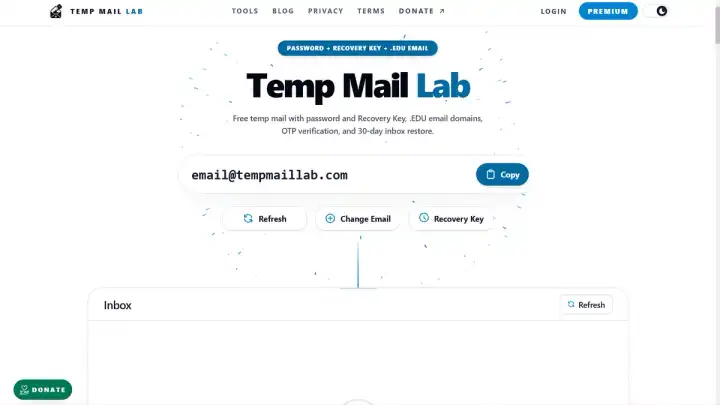
How to Recover a Temporary Email Address Using a Recovery Key
Learn how to save and use a Temp Mail Lab Recovery Key to restore an eligible temporary email address, and understand why deleted messages cannot be recovered.
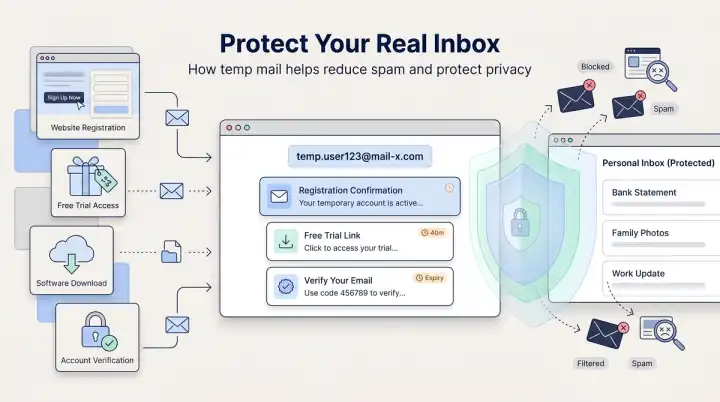
Temporary Email and Disposable Email Addresses
Learn how disposable email can separate temporary sign-ups from your main inbox, along with its privacy limits and responsible-use requirements.